


















Ecommerce SEO agency

Online shops work with our ecommerce SEO agency to get their category and product pages ranking for the searches that lead to sales. We plan which pages should rank, write copy that helps shoppers choose, and fix anything stopping Google from crawling your shop. We also track the orders from organic search, so you can see which pages are selling.

2.1xconversions from organic search, first year vs latest yearBeyond Print, 1,559 to 3,345

Ecommerce SEO agency reviews

  • 4.9/ 598 reviews
  • 4.9/ 564 reviews
  • 5.0/ 560 reviews
  • 5.0/ 565 reviews
  • Semrush Certified Agency Partner badge
  • Clutch Top Digital Agencies badge
  • GoodFirms Top Digital Marketing Company badge
  • DesignRush Best B2B Digital Marketing Agencies badge
  • Top Interactive Agencies badge
  • Google Partner badge
  • The Manifest Top Digital Agencies UK badge
  • The Drum Recommended badge
  • Digital Agency Network badge
  • Nominet Accredited Channel Partner badge
  • Agency Spotter Top Digital Agencies badge
  • Digital.com Best Design Agencies badge

How SEO helps online shops sell

Ecommerce SEO helps your category and product pages rank for the searches shoppers make before they buy. These visitors are often close to ordering, and a page that ranks well can keep bringing them in month after month.

  1. Shoppers search for the product before the shop

    A lot of buyers search for a product, a size, or a part number before they've picked a shop. If your pages rank for those searches, you're more likely to get the visit and the order.

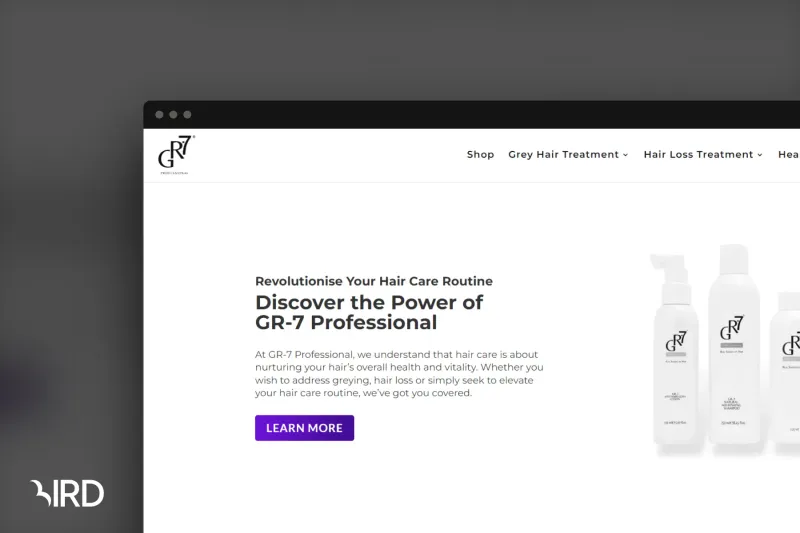
    4.6xkeywords ranking in Google's top 3
    GR-7 Professional case study
  2. Category pages that keep selling

    A category page near the top of Google can bring in new visitors every day. It lists the whole range, so shoppers can compare and buy without going back to the search results.

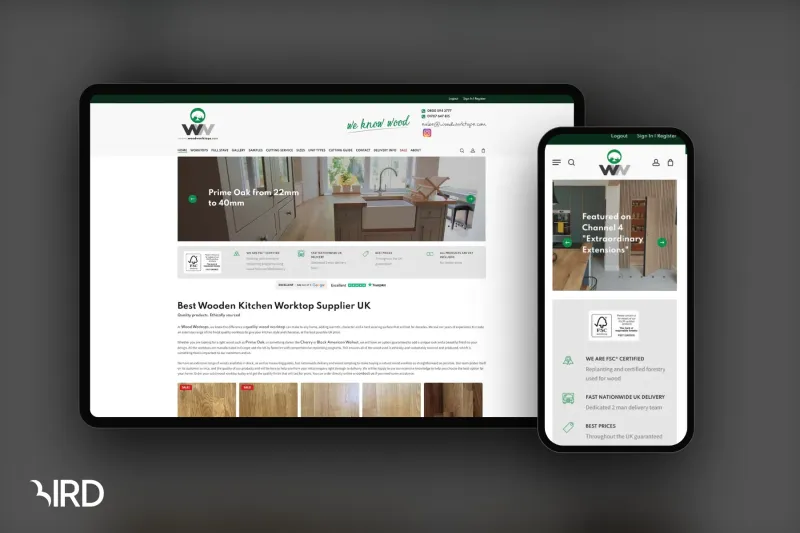
    +70%organic sessions, first year of SEO vs the latest year
    Wood Worktops case study
  3. Guides for shoppers who are still deciding

    Buying guides answer the questions people ask before they buy, such as how to protect a worktop. They can rank for searches a category page wouldn't, and then point readers to the right products.

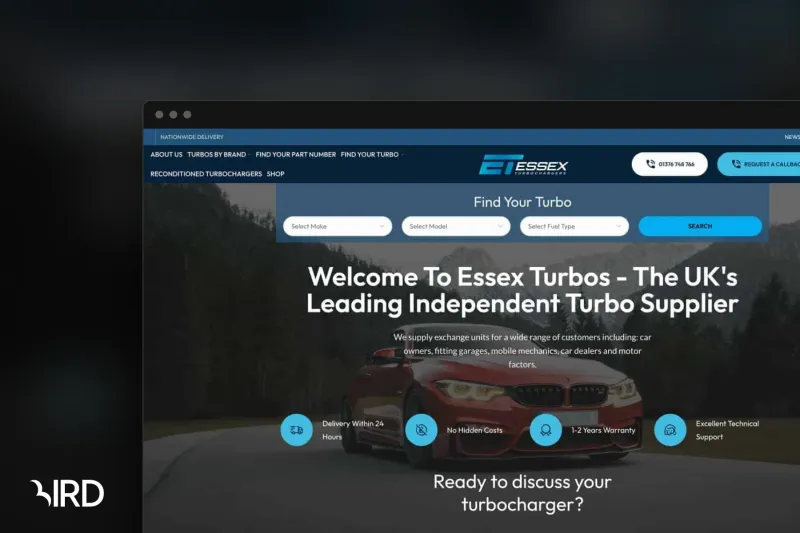
    0 to 918Google clicks a quarter from three new turbo guides
    Essex Turbos case study

Why choose Bird Marketing for ecommerce SEO services

Category pages usually target a shop's most valuable searches, so that's where our ecommerce SEO work tends to start. We then move on to product copy, buying guides, and links, and track the sales they bring in from organic search.

  1. 01
    Orders followed back to their page

    We use ecommerce tracking to follow each order back to the page where the visit started. This shows you which category and product pages are making the sales.

    2.1x conversions from organic search, first year vs latest year

    Beyond Print case study
  2. 02
    Guides that bring in early-stage shoppers

    Buying guides reach people who are still choosing what to buy. Each guide then points them towards the right products in your shop.

    55x Google clicks to the new types-of-wood guides

    Wood Worktops case study
  3. 03
    Copy you approve before it goes live

    We plan your category and product copy in Nest around primary, secondary, and semantic keywords. Nothing goes live on your shop until you've approved it.

    9,481 pieces of content live

    From Nest, 4 November 2026

Ecommerce SEO results for online retailers

Each of these online shops has grown its organic traffic or rankings with our ecommerce SEO company.

What our ecommerce SEO services cover

Our ecommerce SEO services cover your category and product pages, the filter URLs that can duplicate them, and buying guides to support them. An ecommerce SEO consultant plans the work for each part of your shop.

Pick a part of the work to see what we do there.

Category and collection pages

Each category page gets its own keyword, a matching heading, and copy that helps people compare the range. We plan them on a mind map of the whole catalogue, and Nest checks each title so two pages don't target the same search.

Product pages and variants

Product pages need specifications, delivery details, and descriptions written for the shopper. Manufacturer copy appears on lots of other sites, so it doesn't give Google much reason to rank yours. We decide whether sizes and colours need their own URLs, and add Product structured data so prices, stock, and reviews can show as rich results.

Filters and duplicate URLs

Filters, sort orders, pagination, and products in several categories all create duplicate URLs. We crawl the shop with Screaming Frog and compare it with Google's index in Search Console. Then we fix canonicals, robots rules, sitemaps, and page speed. Our technical SEO team takes on the bigger fixes.

Buying guides and links

We plan each buying guide around a question shoppers search before they choose, such as how to look after teak. Each guide links to the category that answers it. Our link building services then point outreach at the categories and guides that bring in sales.

Ecommerce SEO on each platform

New shops are built by our ecommerce website design team, with search planned in from the first wireframe.

  • Magento

    The work starts with layered navigation, admin settings, and store views.

    Magento SEO
  • WooCommerce

    The work runs alongside the WordPress site the shop lives in.

    WordPress SEO

Filter pages worth indexing on an online shop

Every filter on a category page can create a new URL, and once filters are combined, the number grows very quickly. Only a small number of those URLs match what people search for, and those are the ones worth indexing.

Your catalogue
40
4
8
Filter URLs a crawler can reach262,400
Single-filter pages to check for searches1,280

One in every 205 reachable filter URLs uses a single filter. The rest are combinations, and they should only be indexed when people search for them.

  1. 1
    Index it

    A single filter that matches a real search, such as a brand, colour, or size, with enough products to fill the page and its own heading and copy.

  2. 2
    Canonical to the category

    Filters that nobody searches for. They help shoppers narrow the range, but shouldn't compete with the category page in Google.

  3. 3
    Keep it out of the crawl

    Sort orders, price ranges, and most combinations of two or more filters, unless keyword research shows people search for that exact combination.

Each filter counts as either unset or set to one option. Letting shoppers tick several options in one filter, or adding sort orders, makes the first figure larger.

Ecommerce SEO campaign stages

Our ecommerce SEO packages cover tracking, keyword research, copy, filters, guides, and links. The first month is usually spent on tracking and a crawl of your catalogue. After that, we plan the work month by month in Nest.

07.1Month 1
Tracking and a catalogue crawl

First, we make sure your ecommerce tracking, Search Console, and Tag Manager are working properly, so each order can be traced back to its landing page. Then we crawl every category, product, and filter URL.


07.2Month 1
Keyword research and the catalogue mind map

Competitor analysis and keyword research go into a mind map of the shop. Each category, product type, and guide gets its own keyword, title, and URL.

07.3Months 2 to 3
Category and product copy

We write your category and product copy based on the mind map, with the keywords for each page agreed before any writing starts.

07.4Months 2 to 3
Filter and crawl controls

An ecommerce SEO specialist decides which filter URLs should be indexed. The rest get canonicals or robots rules, and the XML sitemap only lists the pages that should rank.

07.5Month 3 onwards
Guides, links, and monthly upkeep

Buying guides, outreach, and on-page work are planned each month. Your reports show the work completed and the orders from organic search.

Dan on structuring a shop around searches

Dan, our digital marketing specialist, on planning a shop's pages around its customers' searches.

Most shops we see have categories that are too broad. We use keyword research to split them into pages that match what people search for.
DanDigital Marketing Specialist, Bird Marketing

Our SEO team for online shops

Our ecommerce SEO experts plan the keywords, write the category copy, and build the links for your shop. Jaden, our lead developer, helps with any technical changes.

Ecommerce SEO FAQs

Online retailers tend to search for these questions before hiring an ecommerce SEO company.

What is ecommerce SEO?

It's the work that helps an online shop's category, product, and guide pages rank in Google. It covers the site structure, product copy, technical fixes such as filters and canonicals, and links. The aim is to reach people searching for what you sell before they buy.

Why is SEO important for ecommerce?

Most shoppers start with a search, so SEO is important for any online shop. The shops whose category and product pages rank get those visits month after month. A good ecommerce SEO company also tracks the orders from organic search, so you can see which pages sell.

How do you structure an ecommerce site for SEO?

Structure an ecommerce site as a tree, with broad categories at the top, subcategories beneath them, and products at the end. Give each level its own keyword and keep every product within a few clicks of the homepage. Decide which filter pages to index before they multiply.

Which ecommerce platform is best for SEO?

Most ecommerce platforms can rank well, and the best choice depends on your catalogue and your team. Magento suits large catalogues, while WooCommerce gives full control inside WordPress. Our ecommerce SEO services focus on how your categories, filters, and product pages are set up, as that matters more than the platform itself.

Do ecommerce sites need SEO and PPC?

Many shops run both SEO and PPC. Google Shopping and search ads can bring sales from the first week, while SEO builds rankings that keep bringing visits without a click fee. Ads can also test which keywords convert before an SEO campaign targets them.

How do you choose an ecommerce SEO agency?

Ask any ecommerce SEO agency to show growth in organic sessions, orders, or rankings over a stated period. A good SEO agency for ecommerce plans categories and filters before writing copy. It should also report on sales as well as rankings.

How important is site speed for ecommerce SEO?

Site speed matters because Google uses Core Web Vitals in its ranking systems, and slow pages lose shoppers. The usual causes on large catalogues are oversized images, apps or plugins loading on every page, and slow hosting. Fixing them can help rankings and sales together.

Start your ecommerce SEO project

  1. Tell us what you need

    Share your website, the services you need and your goals.

  2. Get your proposal

    Market research, the plan and every cost, set out in one document.

  3. Agree a scope

    You’ll have a clear scope before work begins.