
Entertainment SEO services
Entertainment SEO helps music platforms, event companies, venues, and gaming brands get found by people looking for something to do, watch, or listen to. Most of the work is a page for each audience, event, or product, backed by technical fixes and links from relevant websites.
- 3
- Entertainment SEO case studies with results
- +207%
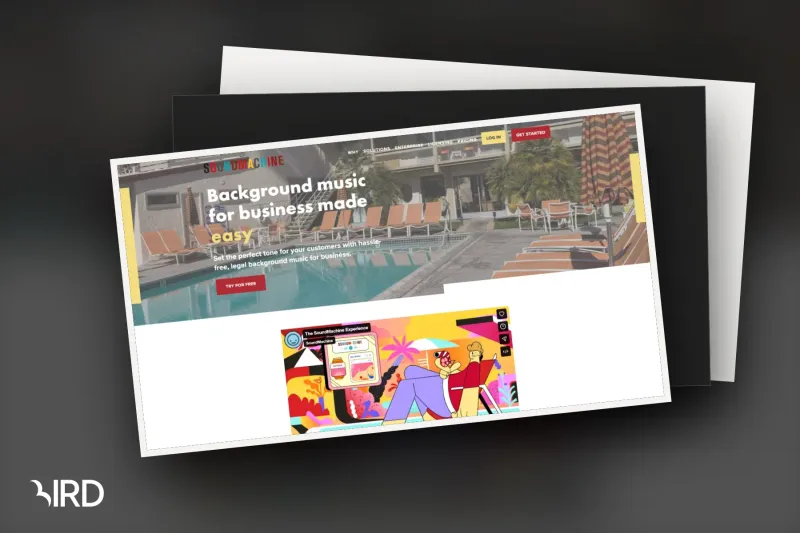
- keywords in Google’s top 3, SoundMachine
- +94%
- visits from Google, SoundMachine
- +37%
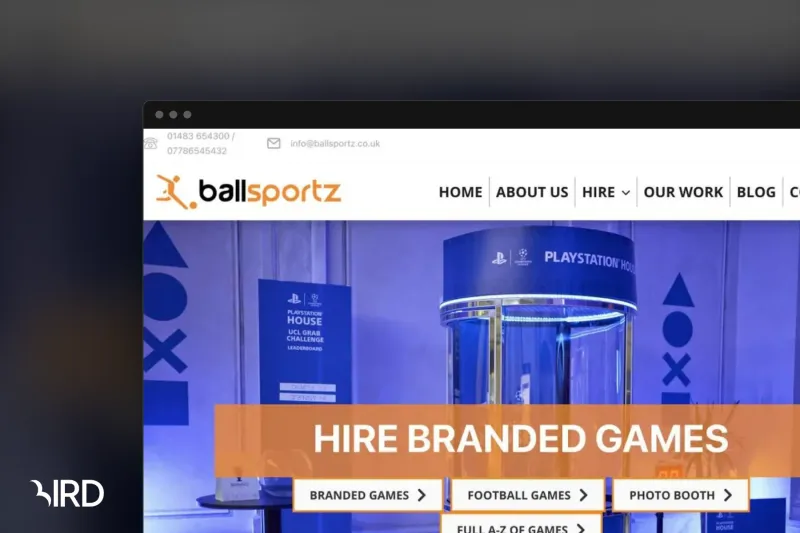
- Google impressions, Ballsportz
Entertainment SEO reviews
“Bird rebuilt our online presence with precision. The website looks professional, SEO results have been strong, and our brand now feels like a leader in aviation support.”
 4.9/ 598 reviews
 4.9/ 564 reviews
 5.0/ 560 reviews
 5.0/ 565 reviews












What SEO for entertainment businesses involves
This is what our SEO usually covers for entertainment businesses. The details change between a music platform, a venue, and a games hire company, but the work tends to fall into four areas.
Music SEO for a platform or service usually means a page for each type of customer, such as shops, gyms, or bars. Guides then answer their questions about licences and setting up.
Event SEO gives each event, date, and location its own page, marked up so Google can show it in event results. Pages go live well before tickets go on sale.
Venue pages need what's on, opening times, and how to book, matched across your site and your Google Business Profile.
Igaming SEO works within strict advertising rules, so every game page, review, and offer is written with your licence in mind.
Search and advertising rules for entertainment sites
Some of the rules that matter most here come from Google, and others from advertising regulators. Here's how each one shapes the work, with the official source.
Pick a rule to see how it changes your SEO.
Google's Event structured data guidelines
- What it asks
- Each event needs its own page, with markup on that page using schema.org's event types, to be eligible for Google's event results.
- What it means for you
- We give each event a page of its own and mark it up, rather than listing every date on one long page.
- Event (Event) structured dataGoogle Search Central
Google's spam policy on site reputation abuse
- What it asks
- Publishing third-party pages on a strong site to take advantage of its ranking signals is against Google's spam policies.
- What it means for you
- We build rankings on your own site, rather than relying on placements on other people's.
- Spam policies for Google web searchGoogle Search Central
CAP Code section 16, which also covers marketing on your own website
- What it asks
- Gambling marketing must be socially responsible and mustn't have strong appeal to under-18s, wherever it appears.
- What it means for you
- Game pages, offer copy, and imagery are written to these rules, alongside your own compliance checks.
- CAP Code section 16: GamblingAdvertising Standards Authority
- Remit: GeneralAdvertising Standards Authority
Gambling Commission social responsibility code 1.1.2
- What it asks
- Licensed operators are responsible for the affiliates and marketing partners they work with.
- What it means for you
- Content we write for an operator is held to that operator's licence conditions, so it goes through their sign-off.
- LCCP 1.1.2: Responsibility for third parties, all licencesGambling Commission
Google Search Central
- What it asks
- Google's guidance favours content made for people, which shows first-hand experience and real expertise.
- What it means for you
- Guides and reviews draw on your own knowledge of the music, games, or events you sell.
- Creating helpful, reliable, people-first contentGoogle Search Central
Every source is the rule's official page, checked 20 November 2026.
Entertainment SEO case studies
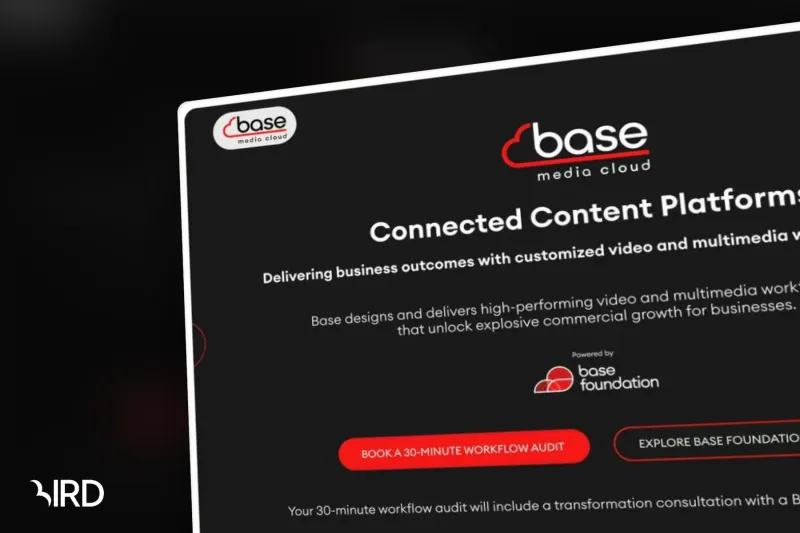
We've worked with a background music platform, a games hire company, and a video workflow business. Each card shows a figure from the SEO work.


How much entertainment SEO costs
There's no set price, because the work depends on how many pages you need and how crowded your searches are. The table below shows what usually makes the biggest difference to a plan.
| What affects it | Why it matters | What it means for your plan |
|---|---|---|
| How many audiences or events you cover | Each type of customer, event, or location usually needs its own page | More pages to plan, write, and keep up to date |
| How crowded your searches are | Gaming and ticket searches are busy, while niche services often aren't | More content and links where competition is high |
| Your site's starting point | Technical problems hold back every page until they're fixed | More technical work in the first few months |
| Seasonal deadlines | Pages need time to rank before a launch or busy season | Work planned earlier in the year |
| Rules your marketing works under | Gambling content goes through extra checks | Time for your compliance team to review pages |
Our approach to entertainment and gaming SEO
Whether you need a specialist igaming SEO agency or help with a music or events site, our approach follows the same few principles.
Insights for music and events businesses
Francesca on a mistake she sees on a lot of entertainment sites.
A common mistake is putting every event or service on one long page. We find it's best to give each one its own page, because that's what people search for and what Google can show in its event results.

Other services for entertainment businesses
SEO tends to work best for entertainment businesses alongside paid ads and a website that makes booking easy. These are the services we most often run with it.
- Paid ads
Google Ads can sell tickets and fill dates straight away, while your event and product pages build up their rankings.
Service page - Web design
A site built around what's on and how to book turns more of the visits SEO brings in into sales.
Service page - Web support
New dates, events, and listings go up as soon as they're announced, so the pages Google finds are always current.
Service page
Entertainment SEO FAQs
Answers to common questions about SEO for music, events, venues, and gaming brands.
What is entertainment SEO?
This is search engine optimisation for businesses in music, events, gaming, and media. It means building pages around what your audience searches for, fixing technical issues, and earning links from relevant sites, so more people find your shows, services, or products on Google.
How does music SEO work for music businesses?
Music SEO for a platform or service usually starts with the types of customer you sell to. Each one gets a page that answers their questions, such as which licence they need or how to play music in a shop. Links from relevant sites then help those pages rank.
What is event SEO?
Event SEO makes each event easy to find on Google. Every event gets its own page with the date, location, and ticket details, marked up so it can appear in Google's event results. Pages are published early, so they've had time to rank before tickets go on sale.
What does an igaming SEO agency do?
An igaming SEO agency builds rankings for licensed casino, betting, and gaming brands. The work covers game and review pages, technical SEO, and links, all within the CAP Code's gambling rules. As operators answer for their partners, every page goes through the operator's own compliance checks.
Can SEO help sell tickets for events and venues?
Yes. A lot of people search for things to do by date, place, or type of event. Pages that match those searches, with the full ticket price and an easy route to book, can bring in sales without paying for every click.
When should SEO start before an event or launch?
Ideally a few months before. New pages need time for Google to find and rank them, so we plan event and launch pages well ahead of the date. For yearly events, we keep the same page live and update it, which keeps the rankings it has already built.
No questions match that search.
Start your entertainment SEO project
- Tell us what you need
Share your website, the services you need and your goals.
- Get your proposal
Market research, the plan and every cost, set out in one document.
- Agree a scope
You’ll have a clear scope before work begins.