Grouping keywords by intent
A first round of research usually produces a long, messy list. The useful step is sorting it by what each person wants. Someone searching "solid oak worktops" is ready to buy, someone asking "how long does a kitchen fit take" wants a guide, and someone typing "kitchen fitters chelmsford" needs a local service.
Each group suits a different kind of page. Product searches belong on product and category pages, questions on guides and FAQs, and local searches on service and area pages. Sorting the list this way stops a guide and a sales page from competing for the same search.
solid oak worktopshow long does a kitchen fit takekitchen fitters chelmsfordshaker kitchen unitsdo I need building regs for a new kitchenkitchen installation essexoak worktop 3mcan I fit a worktop myselfsolid oak worktopsshaker kitchen unitsoak worktop 3m
how long does a kitchen fit takedo I need building regs for a new kitchencan I fit a worktop myself
kitchen fitters chelmsfordkitchen installation essex
What search volume figures mean
Keyword tools such as Google Keyword Planner, Ahrefs, and Semrush give each search a monthly volume, but every figure is an estimate. The tools often disagree, sometimes by a lot, and Keyword Planner gives close variants of a phrase the same combined figure.
Small numbers can still be worth targeting. A keyword with only a handful of searches a month can bring in more work than a popular one, if the people searching for it are ready to hire. New industries are the hardest, as there's often little data at all, so the research leans more on what customers ask and what competitors rank for.
Turning keyword research into a plan
The research ends with a keyword map. Each page gets one primary keyword, so two pages never target the same search, and a few secondary keywords that become its subheadings. Gaps in the map become new pages.
The map then guides the page titles, the headings, the internal links, and the order new content gets written in.
Keyword research behind our SEO campaigns
Each of these campaigns started with keyword research, and each one needed a different approach.
- Finding demand with little data
Cryptocurrency shopping was a new industry, so there wasn't much keyword data to show what buyers search for. Our SEO specialists researched high-intent searches such as "buy a car with Bitcoin", then built a 12-month plan with new categories and pages to target them.
- Research for a large technical catalogue
Supermicro sells technical products across thousands of pages. Our enterprise SEO team researched industry-specific, high-intent terms for every stage of the funnel, including a glossary of technical terms for people searching for information.
- Starting with the priority destinations
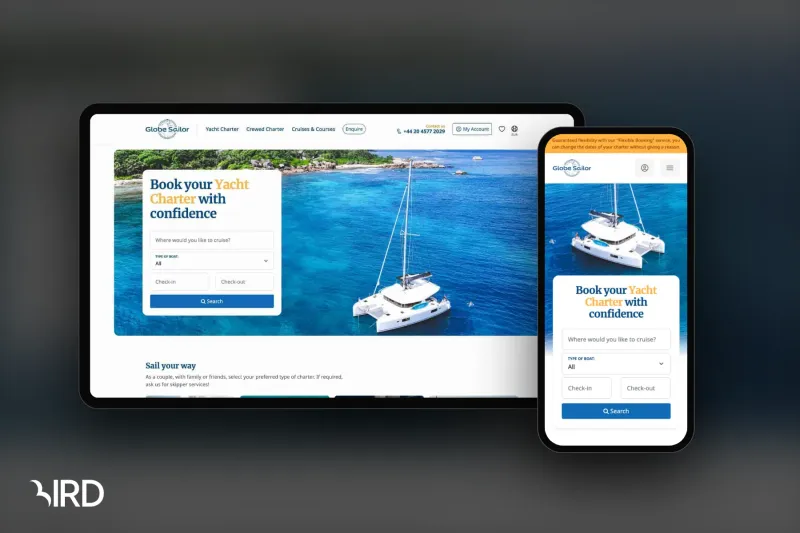
GlobeSailor has more than 180 sailing destinations on its site, so the new copy couldn't all be written at once. Our international SEO team started with the priority destinations, each with new copy based on its own keyword research.