Where long-tail keywords sit in search demand
If you list every search in a topic from most to least popular, the line drops steeply at first. A handful of head terms, like "kitchens", each get a lot of searches. After them comes a long, low tail of specific queries, such as "oak shaker kitchen 3m island with seating".
Every search in the tail is small on its own, but there are thousands of them. The name comes from the shape of that curve, which looks like a long tail stretching off to the right.
Why long-tail searches are easier to win
Fewer businesses target each specific search, so there's usually less competition for it. The intent is clearer too. Someone who types a size, a material, and a town is much closer to buying than someone who types one word.
That makes long-tail keywords a sensible place to start for a newer website. Ranking for lots of small searches brings in visitors early on, while the broader terms take longer.
Long-tail searches also suit guides and FAQs. Questions like how long a boiler should last, or whether a loft conversion needs planning permission, each get a modest number of searches. A page that answers them well can pick up visitors who'd never find a product page.
Picking long-tail keywords worth targeting
A search isn't long-tail just because it has a lot of words. Some short searches are rare, and some long questions are asked all the time. Check the monthly searches and look at what's ranking. The number of words doesn't tell you much.
A low search volume doesn't always mean an easy search, either, as big brands fight over some niche terms. It usually works better to group close variations onto one strong page than to write a thin page for each.
Long-tail keywords as the first step in two SEO campaigns
Both of these campaigns went after specific searches early on, before the broader terms were within reach.
- Specific searches before skip hire
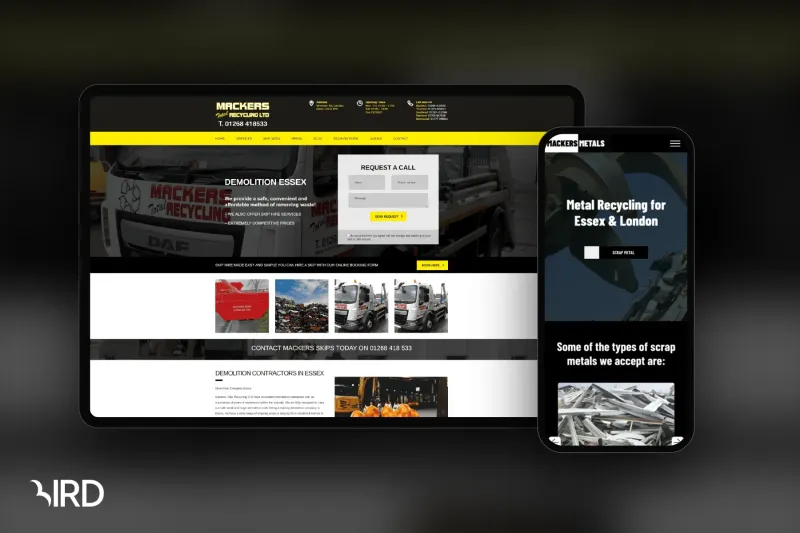
People searching for skip hire in Essex couldn't find Mackers when we started. Our SEO specialists targeted long-tail keywords first to start pushing traffic to the site, then built it up with links until it ranked for broad searches throughout Essex.
- Niche pages for an interior design studio
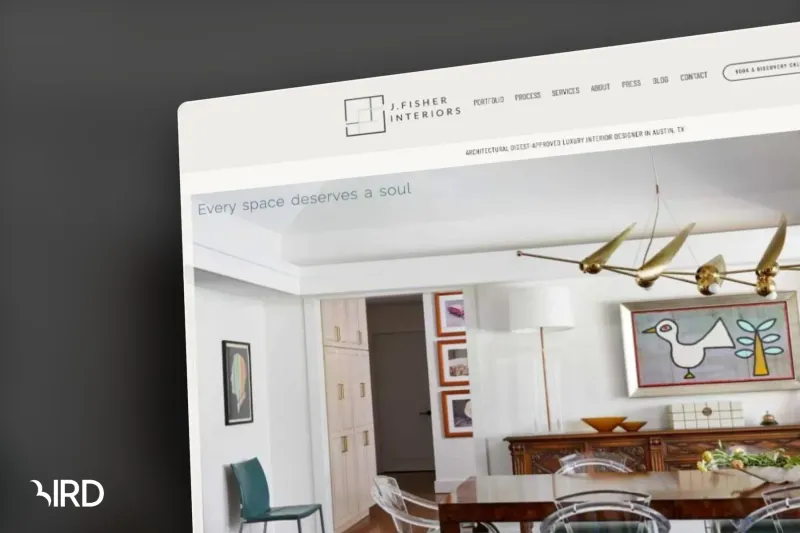
J.Fisher Interiors had little exposure to broad searches or to niche long-tail ones when the campaign started. We added pages for luxury kitchens, estate and mansion interiors, commercial design, and remodels, along with room-by-room design guides.