

Measuring site speed by page type
A single score for the homepage says little about the rest of a site. Each type of page is built differently, so each one loads differently. Service pages might be quick, while articles carry heavy images and the checkout loads payment scripts on top.
The most useful measure is real visits, grouped by the type of page. Search Console does this in its Core Web Vitals report, using data from real Chrome users. Visits are sorted into good, needs improvement, and poor, so you can see which templates are holding the site back.
- Good
- Needs improvement
- Poor
Site speed in a platform move
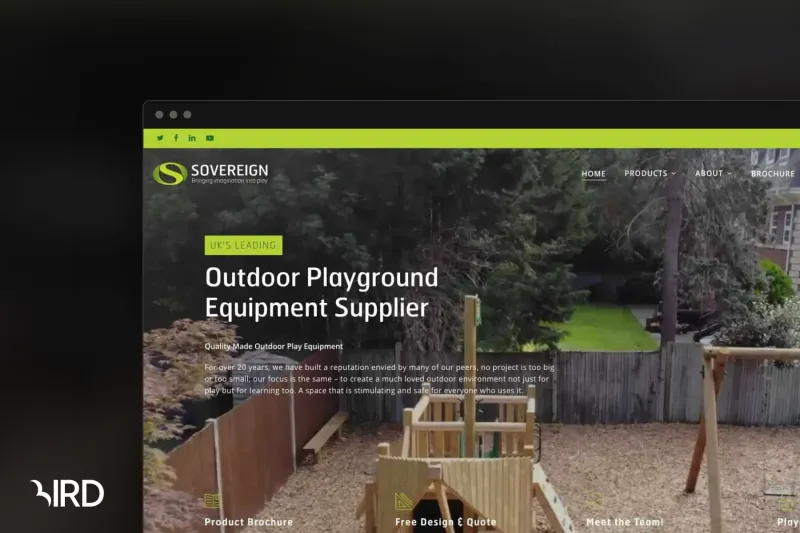
Sovereign Play Equipment's old shop had performance problems across the whole platform, so speed came into the move.
- A slow platform replaced
Sovereign Play Equipment's shop ran on an old PrestaShop build with performance issues and security weaknesses. We rebuilt it on WordPress and WooCommerce, and a year later it had more keywords in Google's top 10 than before the move. The new platform is faster and easier to manage, and leads and conversions rose afterwards.

How hosting affects site speed
Every page starts with a request to your server. A slow server adds the same delay to every page on the site, however well each page is built. On shared hosting, a busy site on the same server can slow yours down at peak times too.
Caching usually helps the most, along with a current version of the server software and enough resources for your traffic. A content delivery network can also serve images and files from somewhere closer to each visitor.
Site speed and your platform
The platform your site runs on matters as well. An old CMS with years of plugins and themes can slow down every template at once. Sometimes the most effective fix is moving the whole site to a newer platform.
Keeping a site fast after launch
Speed tends to slip over time. New plugins, tracking scripts, and large images all add weight, often a little at a time. Checking the whole site every few months, and after any big change, catches this before visitors notice it.