

How page speed is measured
Google measures page speed with three Core Web Vitals. Largest Contentful Paint (LCP) is the moment the biggest piece of content appears, often the main image or heading, and under 2.5 seconds is good. Interaction to Next Paint (INP) measures how quickly the page reacts to a tap or a click, and under 200 milliseconds is good. Cumulative Layout Shift (CLS) measures how much the layout jumps about while it loads, and under 0.1 is good.
These scores come from two places. Lab tests, like the one in PageSpeed Insights, load the page once on a simulated phone. Field data comes from real Chrome users over the last 28 days, and it's what Search Console reports. A page can score well in a lab and still feel slow to people on older phones or patchy signal, so the field data is the one to watch.
- Good
- Needs improvement
- Poor
What usually slows a page down
The most common cause is one oversized image at the top of the page, which can hold back the LCP on its own. Next come scripts, especially third-party ones like chat widgets, review badges, and tracking tags, which all have to load and run before the page settles.
Slow server responses, heavy web fonts, and sliders also add up. Layout shift tends to come from images without set dimensions, or banners that push the content down after it's appeared.
Page speed in our website builds
Speed was part of the work on each of these three projects, from the brief to the launch.
- Speed in the brief from day one
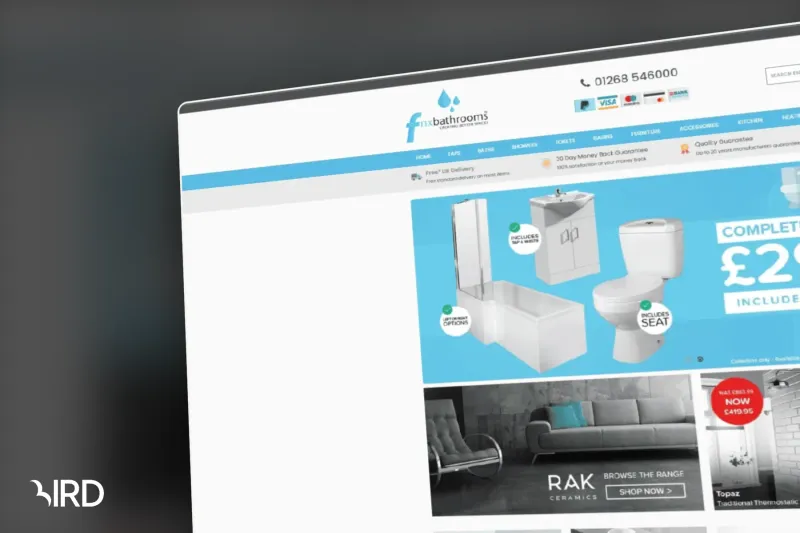
FNX Bathrooms came to us with an online store that was sluggish and outdated. Speeding it up was part of the brief from the start, so our web developers kept page load times down at every stage of the new build.
- Faster pages for shoppers and ads
The old Essex Turbos site was dated and slow, and it couldn't take orders online. We rebuilt it for speed and mobile. Pages now load much faster than before, which helped the shopping experience and the Quality Scores in the Google Ads account.
- Fast loading with analytics built in
Method Digital wanted a faster site with a better user experience. Our web development team optimised the new site for fast loading, and set up analytics so the agency can see what visitors do once they arrive.




Page speed and rankings
Core Web Vitals are part of how Google judges page experience, so speed can affect rankings. Relevance still matters far more, though. Speed tends to make the difference when two pages answer a search equally well.
The bigger cost of a slow page is usually the visitors who leave before it finishes loading. On paid campaigns, a slow landing page can also hold back the ad's Quality Score, which can make each click cost more.