What to measure in social media marketing
Most social activity is measured in steps. Reach is how many people saw a post. Engagement is how many of them watched, commented, or shared it. Fewer people go on to visit your website, and fewer again send an enquiry or buy something.
Each platform reports these numbers in its own way, so it helps to compare them with what your own analytics records. Reach and engagement are useful signs that content is landing. They aren't sales, though. It's worth agreeing which step counts as success before a campaign starts, and setting up tracking so visits from social can be followed through to enquiries.
Organic and paid social media marketing
Organic social is what you post on your own profiles. It keeps you familiar to the people who already follow you, and it's often where customers see your news first. Its reach is limited, as each platform decides who sees each post.
Paid social puts ads in front of people chosen by job title, interests, or past visits to your site. It suits a clear goal, such as demo bookings or online sales, because the results can be tracked from the ad to the form.
Picking a platform for social media marketing
The right platform depends on who you're trying to reach. LinkedIn tends to suit B2B buyers, while Instagram and TikTok suit visual products and younger audiences. Facebook still reaches a broad local audience for many service businesses. Businesses usually get more from one or two platforms done well than from five done thinly.
Three social media marketing campaigns we've run
Each of these campaigns used social media differently, with organic posts, creators, and paid ads.
- Organic posts for a law firm
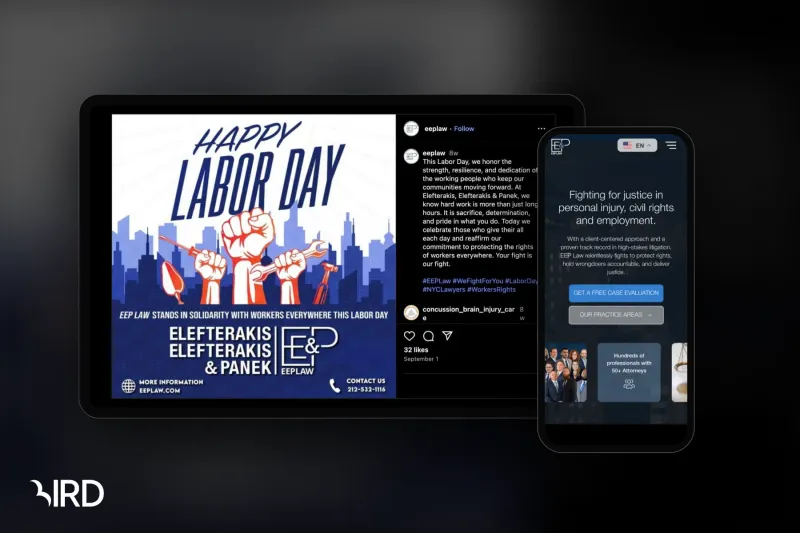
EEP Law's social media wasn't showing its success stories or community work. Our social media team planned an organic strategy around the firm's brand, with graphics for key dates and regular posts on testimonials, firm updates, and case wins.
- Instagram creators for a new shop
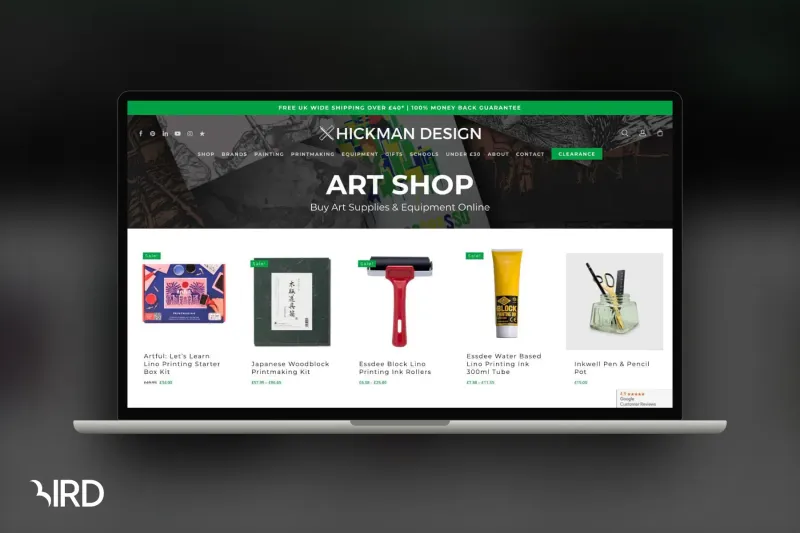
Hickman Design had no social accounts to build on, so its audience had to be grown from nothing. We found niche influencers in the printmaking community, who reviewed its lino cutting tools before Christmas. Two posts brought immediate engagement and new followers, and led to direct sales.
- Paid social for demo bookings
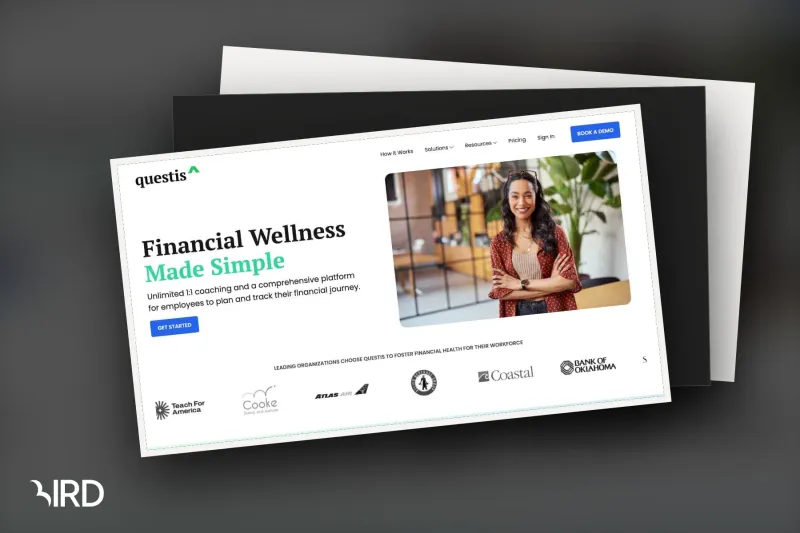
Questis needed to reach HR leaders across the US. We ran LinkedIn campaigns built around the HR personas most likely to engage, then retargeted warm prospects on Facebook and Instagram to bring them back towards a demo.