Why word of mouth is hard to track
Most recommendations happen in private, so no tool ever sees them. A happy customer mentions you over coffee. Their colleague remembers the name, searches for it a few weeks later, and fills in your enquiry form.
Your analytics records that as an organic search visit, or a direct one. The recommendation that started it doesn't show up anywhere. Reviews and social posts are the parts of it you can see, but they're usually a small share. This is one reason searches for a brand name often rise when word of mouth is going well.
Measuring word of mouth
The simplest method is to ask. A "How did you hear about us?" field on your enquiry form, or the same question on the first call, picks up a lot that analytics misses.
It also helps to watch a few signals side by side. Searches for your business name, direct visits, and reviews that mention a recommendation all tend to rise when more people recommend you. None of them is complete, but together they give a fair picture.
Growing beyond personal recommendations
Word of mouth is powerful, but it's hard to grow on purpose. It depends on how many customers you already have, and it rarely reaches people who don't know anyone you've worked with. Search can fill that gap, as it reaches people who are already looking for what you do. Making it easy for happy customers to leave a review helps as well, as it turns private praise into something new customers can find.
Businesses that grew on recommendations
Both of these businesses had relied on recommendations before they came to us for search.
- A big client base and a quiet website
J&I Cleaning had built a huge client base through referrals, but its website brought in very little traffic. We rebuilt the main site, moved it across with our SEO migration services, and then added local SEO for London cleaning searches.
- A known name with thin visibility
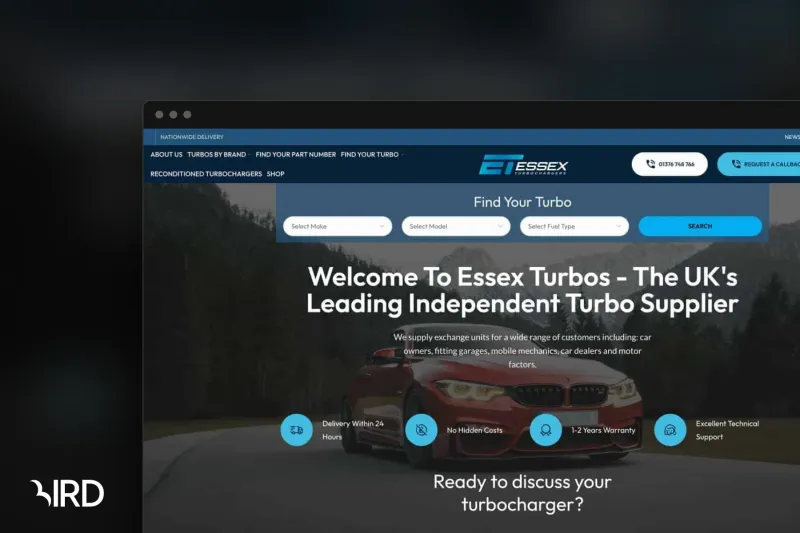
Outside searches for its brand name, Essex Turbos had thin organic visibility, so the business depended on customers passing its name on. We rebuilt the site as an online shop and ran its SEO and Google Ads, and its indexed landing pages grew from dozens to hundreds.