Construction website design

Construction website design is about showing people you've done work like theirs, close to where they live, and making it easy for them to ask for a quote. Our website design for builders, contractors, and trades is built around your real projects, with service areas and enquiry forms that ask the right questions.

7
Construction web design case studies with results
338
Website projects completed
151
New websites built
140
WordPress projects

Web design for construction companies

Below is how we approach web design for construction companies, from building the site around your projects to setting it up for search and making sure the enquiry forms ask the right questions.

A construction website has two jobs. It needs to show people you do their kind of work, in their area, and it needs to turn the right visitors into enquiries your team can act on.

Construction web design case studies

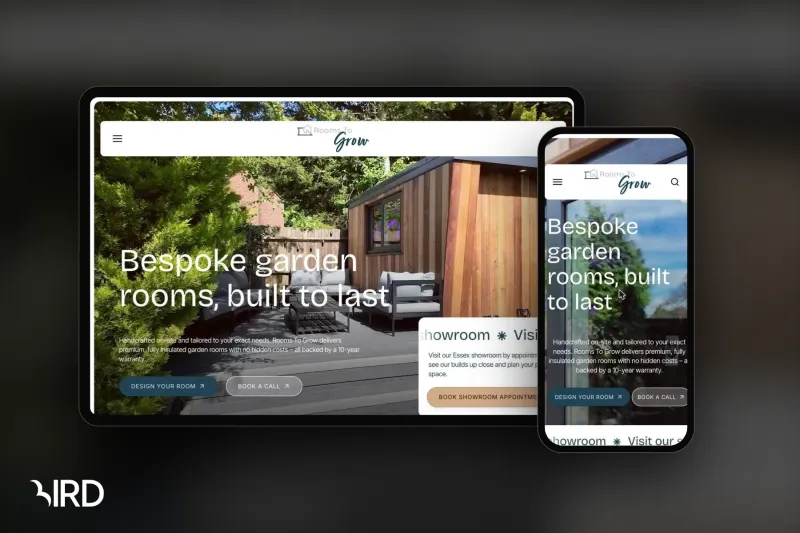
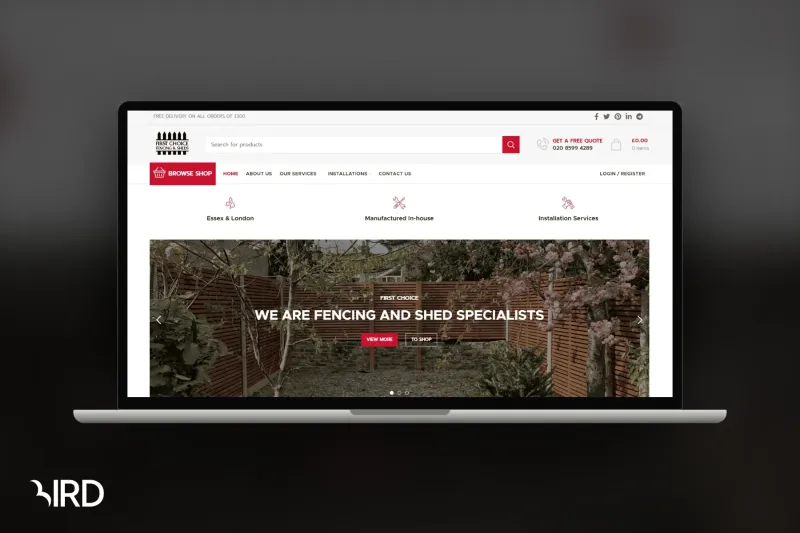
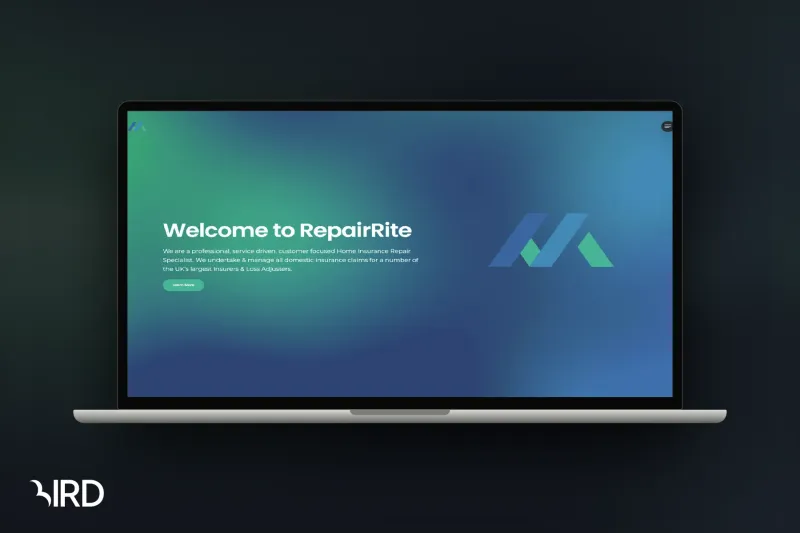
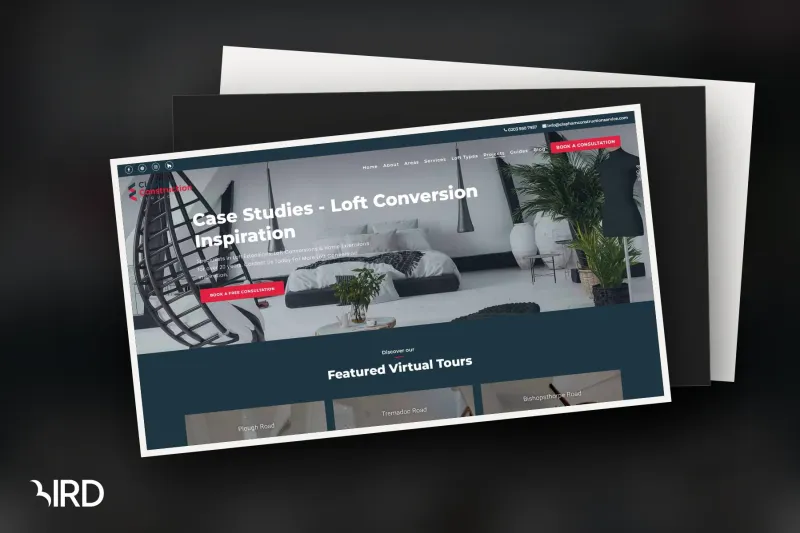
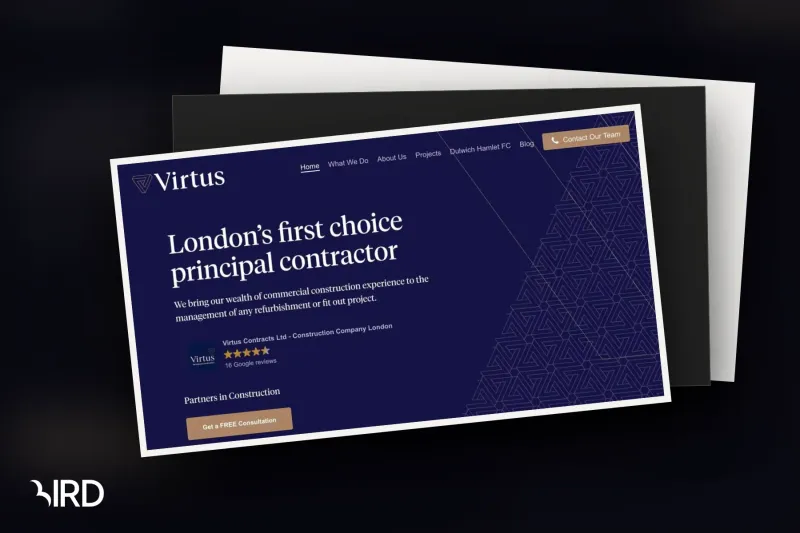
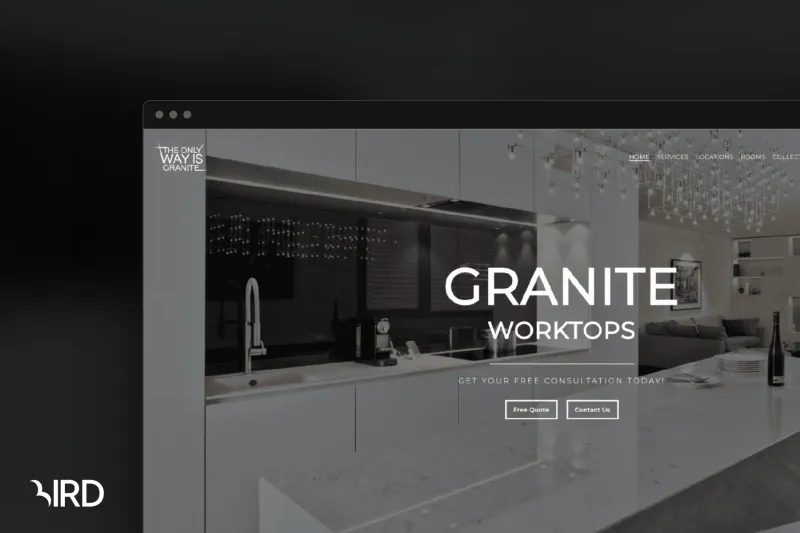
Each of these construction companies has a website we designed, from a loft conversion builder to a garden room company and a fencing supplier. Some of the cards show how visits or rankings grew after launch.

Construction website design costs page by page

Here's an example construction company website design laid out as a floor plan, with a room for each page. We price web design for construction companies page by page, so a site with more services or areas simply has more rooms to build.

Press a room to see what that page is for.

Initial build and homepage£2,000
Homepage

Setup, branding and the homepage design. It says what you do, where you work and shows recent projects straight away.

Example total£5,522
Maximum hours118
Pages on your website
Website price
Initial build and homepage£2,000
5 main pages£1,500
5 service pages£750
5 area pages£750
Privacy policy£20
SEO preparation£502
Total price£5,522

Our construction industry web design process

Most construction industry web design projects follow the same path from the first meeting to launch, with a few points along the way where we'll need your approval. SEO preparation and tracking are part of the build, so they're in place when the site goes live.

Plan and design

  1. 04.1

    Planning and setup

    A kick-off and a look at your business, then the work is booked into the calendar and set up on our development server.

    • Nest
  2. 04.2

    Initial design

    The wireframe, site structure, and your branding come together in the homepage design, which you review and approve.

    • WordPress
    • Magento
  3. You approve the homepage design
  4. 04.3

    Page design

    Service, area, and project pages are laid out with your content and photos, ending with your review and approval.

  5. You approve the page designs

Build

  1. 04.4

    Functionality

    Enquiry forms, project galleries, and any other features are built, along with GDPR and cookie compliance and checks across browsers and devices.

  2. 04.5

    SEO preparation

    Headings, titles, friendly URLs, speed, and images are set up on every page, with a review of how each one turns visitors into enquiries.

    • Screaming Frog
  3. 04.6

    Tracking

    Analytics, Search Console, and Tag Manager are set up or optimised to track calls, forms, and emails, and your sitemap is submitted.

    • Analytics
    • Tag Manager

Launch and look after

  1. 04.7

    Launch

    Once you've signed it off, forms and links are checked, redirects and caching are put in place, and the DNS is switched over.

  2. You give final sign-off
  3. 04.8

    Hosting

    Your site sits on our own servers, with SSD storage, daily backups, two firewalls, and an SSL certificate.

    • OVH
    • cPanel
  4. 04.9

    Support and security

    Ongoing help with content edits and training, along with security patches, updates, and your domain and email.

    • Freshdesk

Scoping a construction website

Your proposal is where we agree the scope of your new website, so you know what's included before any design work begins.

  1. 05.1

    Site structure

    A mind map where each node is a page on your website.

  2. 05.2

    Page breakdown

    Every page and feature listed, split into the homepage, unique pages and sub-pages.

  3. 05.3

    Website timeframes

    A week-by-week timeline for the homepage, unique pages, sub-pages and launch.

  4. 05.4

    Maximum hours

    The hour limit for your project, agreed before work starts.

  5. 05.5

    Web design process

    All nine stages, with your review and approval built in.

  6. 05.6

    Hosting and support

    Ongoing fees itemised, with what each one covers.

Construction web design questions

Most of these come up in our first conversation with a construction company about a new website.

How much does a construction website cost?

It depends on how many pages need designing and how many repeat a template. We list every page in the proposal, give each a type and set a maximum number of hours, so you know the cost before we start.

How long does it take to build a construction website?

It depends on the size of the site and how quickly we get your content and approvals. Your proposal includes a week-by-week timeline for the homepage, unique pages, sub-pages and launch.

What should a construction company website include?

A clear page for each service, the areas you cover, a gallery of real projects, proof such as accreditations and reviews, and an enquiry form that asks for the job type and location. Calls and forms should be tracked from day one.

Can we add our own projects after launch?

Yes. We build most websites on WordPress and train your team, so you can add new projects without a developer. We also offer hosting and support if you'd like us to look after it.

Do you write the content?

We can write it, or work with what you have. Your team still needs to supply real project photos and details, because those are what show buyers you've done the work.

Start your construction website project

Whether you're starting from scratch or replacing an older site, send us a few details about your company and the work you want more of. We'll come back with a proposal covering the structure and timeline, and we're happy to talk through any of it.

  1. Tell us what you need

    Share your website, the services you need and your goals.

  2. Get your proposal

    Market research, the plan and every cost, set out in one document.

  3. Agree a scope

    You’ll have a clear scope before work begins.