Why backlinks matter for SEO
Picture an industry publication rounding up the year's reports. It mentions your original research on kitchen waste and links those words to the page where you published it. That link points back to your site, and it tells Google that someone in your industry rates the page.
Links are one of the ways Google finds new pages and decides how far to trust them. A page with links from respected, relevant sites usually has a better chance of ranking than a similar page with none. The words used in the link, called anchor text, also tell Google what the page is about.
More links aren't always better, though. One link from a trade body or a well-read publication in your industry can do more than dozens from unrelated sites. Links in the main text of a relevant article also tend to count for more than links tucked away in a footer or a directory list.
One firm published 01original research on kitchen waste that's worth reading in full.
<a href="…/research/kitchen-waste/">Links that can do harm
Google's spam policies cover links that are bought or swapped to push rankings up. Paid links should carry rel="sponsored" or rel="nofollow", and networks of low-quality sites linking to each other tend to be easy for Google to spot. Links like these are usually just ignored. In worse cases, they can lead to a manual action against the site.
Checking your backlink profile
Your backlink profile is every link pointing at your site. Google Search Console lists the sites that link to you, and tools like Ahrefs and Semrush add more detail. It's worth a look every few months for lost links, broken pages that other sites still link to, and anything that looks unnatural.
Link profiles we've strengthened for clients
A thin or messy link profile was part of the problem on each of these three projects.
- Links from industry and business publications
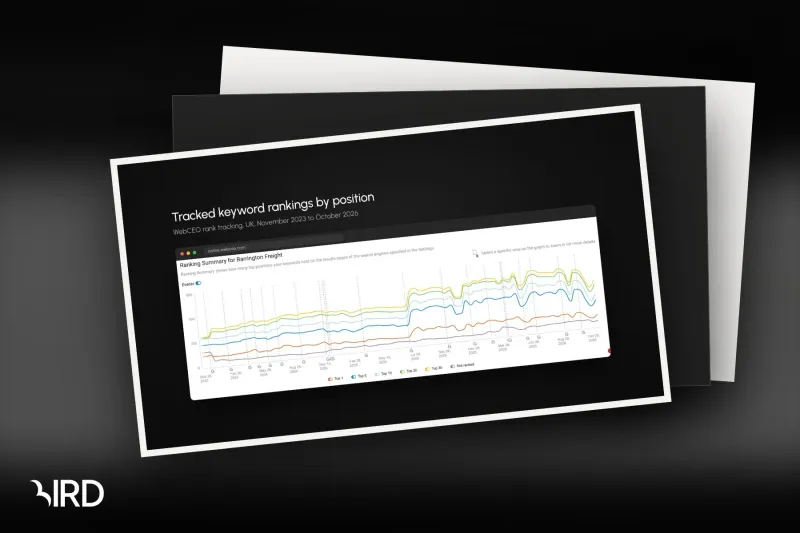
A thin set of links held Barrington Freight back on competitive national freight terms. Alongside the rebuild and new route pages, our digital PR work has earned links from industry and business publications.
- Fixing the profile before building on it
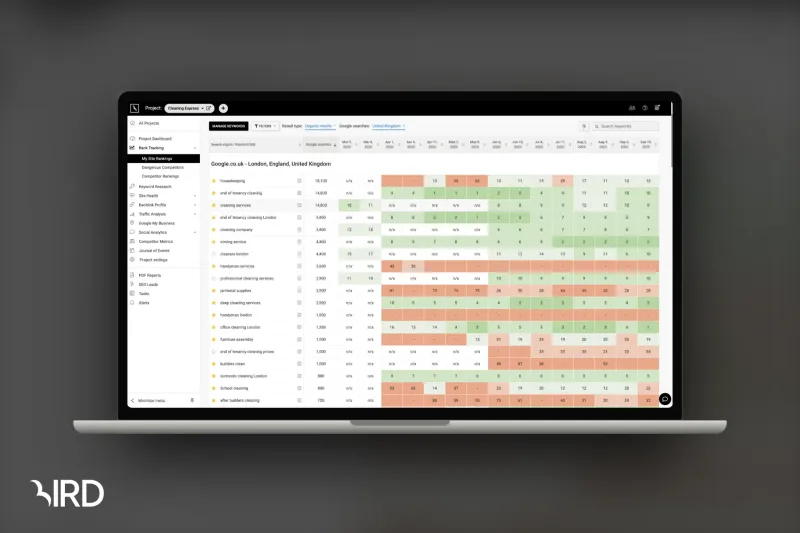
Cleaning Express came to us after SEO with other agencies had stalled. We analysed the earlier work first, then made changes to the backlink profile and the site structure, which cleared the way for a new six-month plan.
- Design links for a studio in Austin
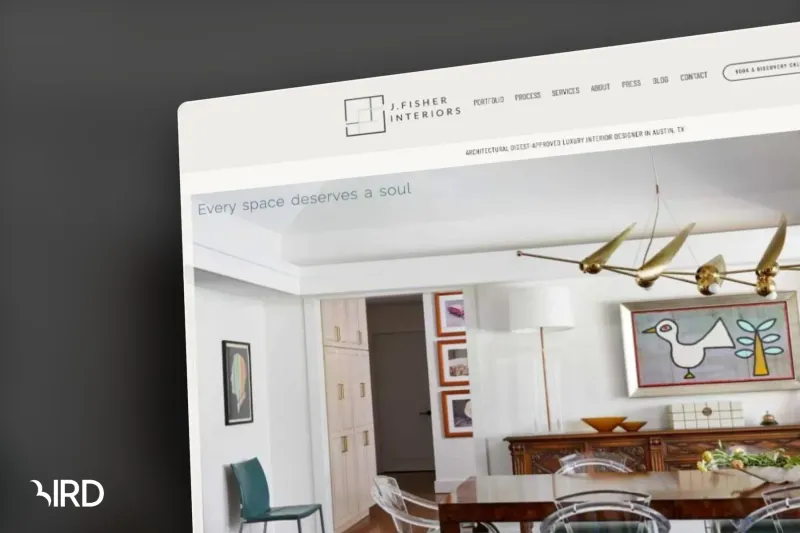
J.Fisher Interiors had a weak link portfolio next to longer-established competitors. Our link building team secured links from relevant design and lifestyle publications, alongside the new area pages and design guides we published.