The three parts Google scores
Google works the score out from three parts. Expected click-through rate is how likely people are to click your ad. Ad relevance is how closely the ad matches what the person searched for. Landing page experience is how useful and easy to use your page is once someone arrives.
Each part is rated above average, average, or below average. When one of them is below average, that's usually the best place to start, as it's dragging the whole score down.
How to improve a Quality Score
Tighter ad groups help, with a small set of closely related keywords in each one. That lets you write ads that repeat the words people actually searched for.
The landing page should then pick up the same topic straight away, load quickly, and work well on a phone. A page built for the campaign often does better than sending everyone to the homepage. Testing two or three versions of each ad also helps, as the one that gets more clicks tends to lift the expected click-through rate.
What Quality Score doesn't tell you
The score is a guide rather than a target. Google uses live data in every auction, so the number in your account is a summary, not the exact figure used each time.
A keyword with an average score can still bring in good enquiries. So it's worth judging each one on its conversions too, before you pause it or rewrite the ads.
Quality Score also only applies to Search campaigns. Shopping, display, and video ads are judged in their own ways, so you won't find the same 1 to 10 rating there.
Keyword scores on an ecommerce rebuild
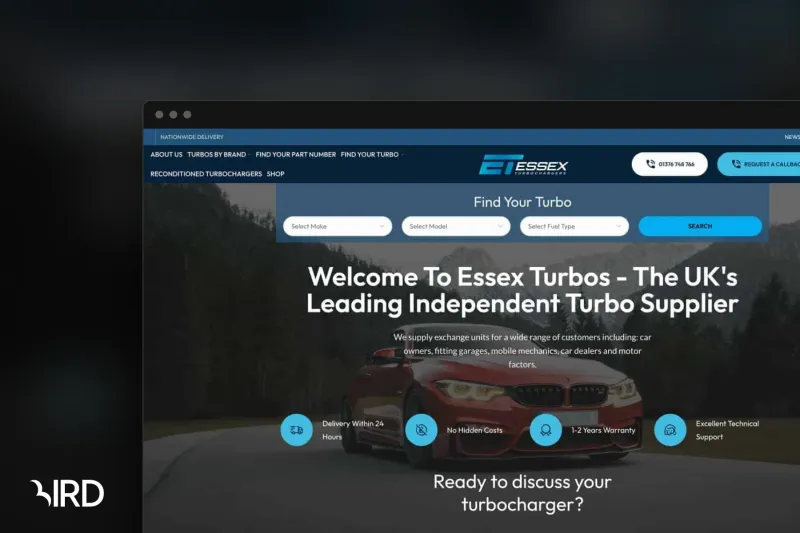
Essex Turbos' Quality Scores improved after we rebuilt its shop and its Google Ads campaigns.
- Landing pages and load times
Alongside the new shop, our PPC team built landing pages for the paid campaigns, so each ad led to a page about the same turbos. Page load times came down by more than half, and both changes helped the account's scores.